3 hr
Teotihuacan Hot Air Balloon Flight & Pyramids Tour
- Entry ticket
- Mobile voucher
- Valid same day
- Free cancellation
Hot Air Balloon in Mexico City — Teotihuacan Dawn Flights
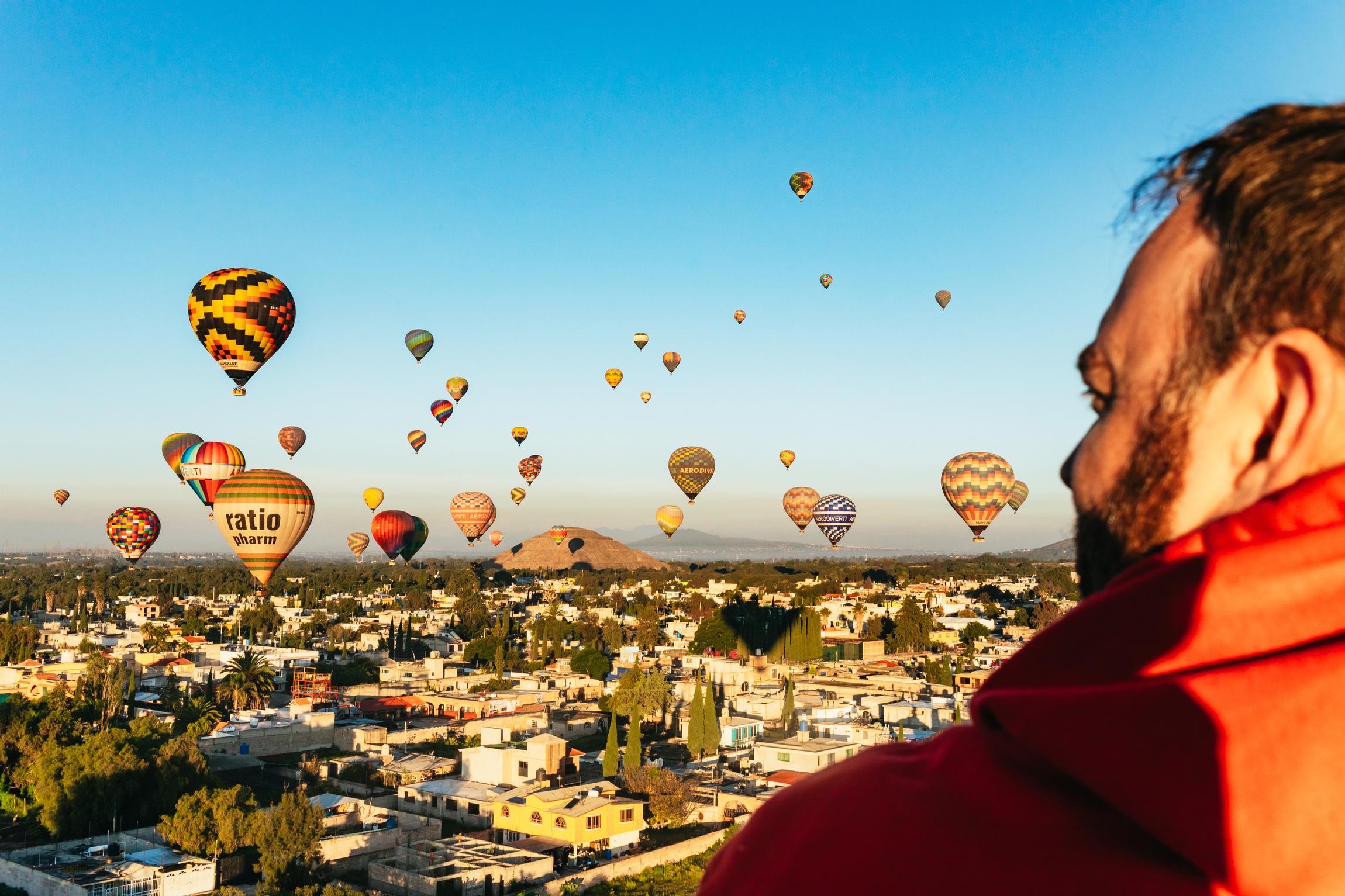
Float above the Pyramid of the Sun at first light, where silence meets ancient stone
Compare fares, pick the fit — all bookings are mobile-voucher and eligible for free cancellation where shown.
3 hr
9 hr
8 hr
| Experience | Duration | Rating | Skip-the-line | Guide | Small group | Free cancel. | Price | |
|---|---|---|---|---|---|---|---|---|
|
Standard Entry
Most popular
Teotihuacan Hot Air Balloon Flight & Pyramids Tour
|
3 hr | ★ 4.6 | — | ✓ | ✓ | ✓ | $157 | Book → |
|
Guided Experience
Teotihuacan Pyramids, Guadalupe Shrine & Tlatelolco with Lunch
|
9 hr | ★ 4.7 | ✓ | ✓ | ✓ | ✓ | $60 | Book → |
|
Guided Experience
Early Access Teotihuacan Pyramids Guided Tour
|
8 hr | ★ 4.4 | ✓ | ✓ | ✓ | ✓ | $68 | Book → |
Worth it for photographers and aerial enthusiasts
A hot air balloon in Mexico City—specifically over Teotihuacan—offers an unmatched aerial perspective of the Pyramid of the Sun and Pyramid of the Moon that ground exploration simply cannot replicate. The early morning ascent reveals the archaeological zone's massive scale and precise urban grid, details invisible from street level. Tours typically cost 2,200–2,800 MXN per person and include ground transportation, champagne toast, and flight certificate alongside the 45–60 minute balloon ride over the ancient city. The experience works best for travelers prioritizing photography and unique vantage points over archaeological depth; you'll see the entire Avenue of the Dead layout but sacrifice close-up temple details and museum access. Hot air balloon in mexico city tours depart at dawn (5:30–6:00 AM) when winds are calm and light is optimal for capturing the pyramids' stone textures. The 210 MXN conservation fee for ground entry remains separate, so budget accordingly. If sunrise flights and aerial documentation align with your travel priorities, the premium pays off; if you prefer walking pyramid staircases and examining ancient murals, allocate that budget toward a guide instead.
Bottom line: Hot air balloon in mexico city tickets deliver exceptional value for photographers willing to invest in a perspective that climbing the pyramids cannot provide.
Hand-picked experiences loved by thousands of travelers
8 hours
Free Cancellation
Beat the crowds at Mexico's legendary ruins with exclusive early access to the ancient City of the Gods
6 hours
Free Cancellation
Journey to ancient Teotihuacan's pyramids and descend into a ceremonial underground cave
9 hours
Free Cancellation
Explore ancient pyramids, visit Mexico's holiest Catholic site, and wander a charming colonial town
4 hours
Free Cancellation
Taste authentic street food and explore Mexico City's vibrant markets with guides who grew up there
4 hours
Free Cancellation
Journey through four neighborhoods sampling traditional and contemporary tacos paired with expert-led mezcal tasting
2 hours
Free Cancellation
Sail vibrant canals on a traditional trajinera with premium tequila, cold beers, games & authentic Mexican flavors
5 hours
Free Cancellation
Ancient sweat lodge ritual led by Oaxacan healer in the heart of CDMX with medicinal garden setting
2.5 hours
Free Cancellation
Explore Mexico's pre-Hispanic past with a certified archaeologist in an intimate small-group setting
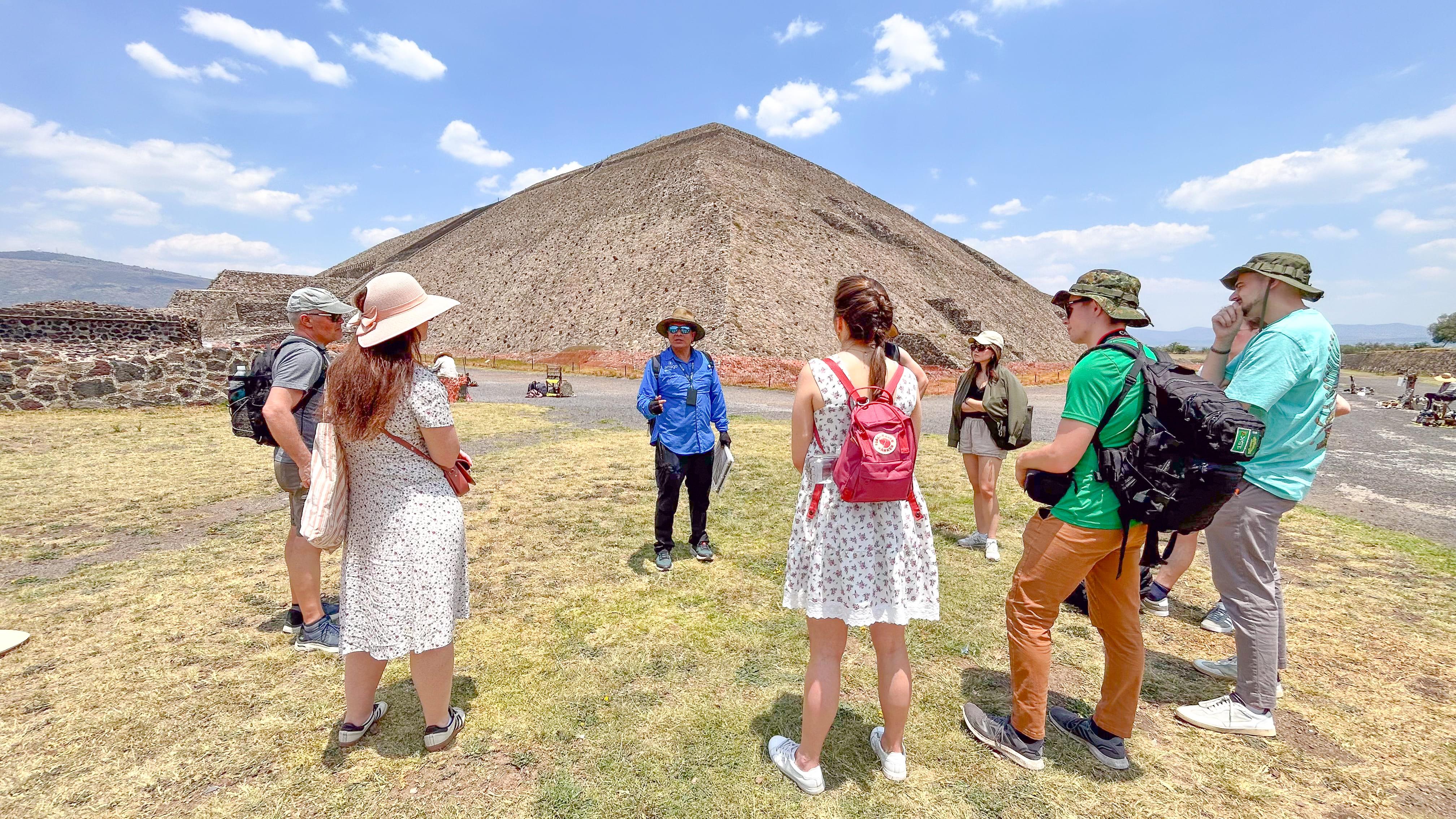
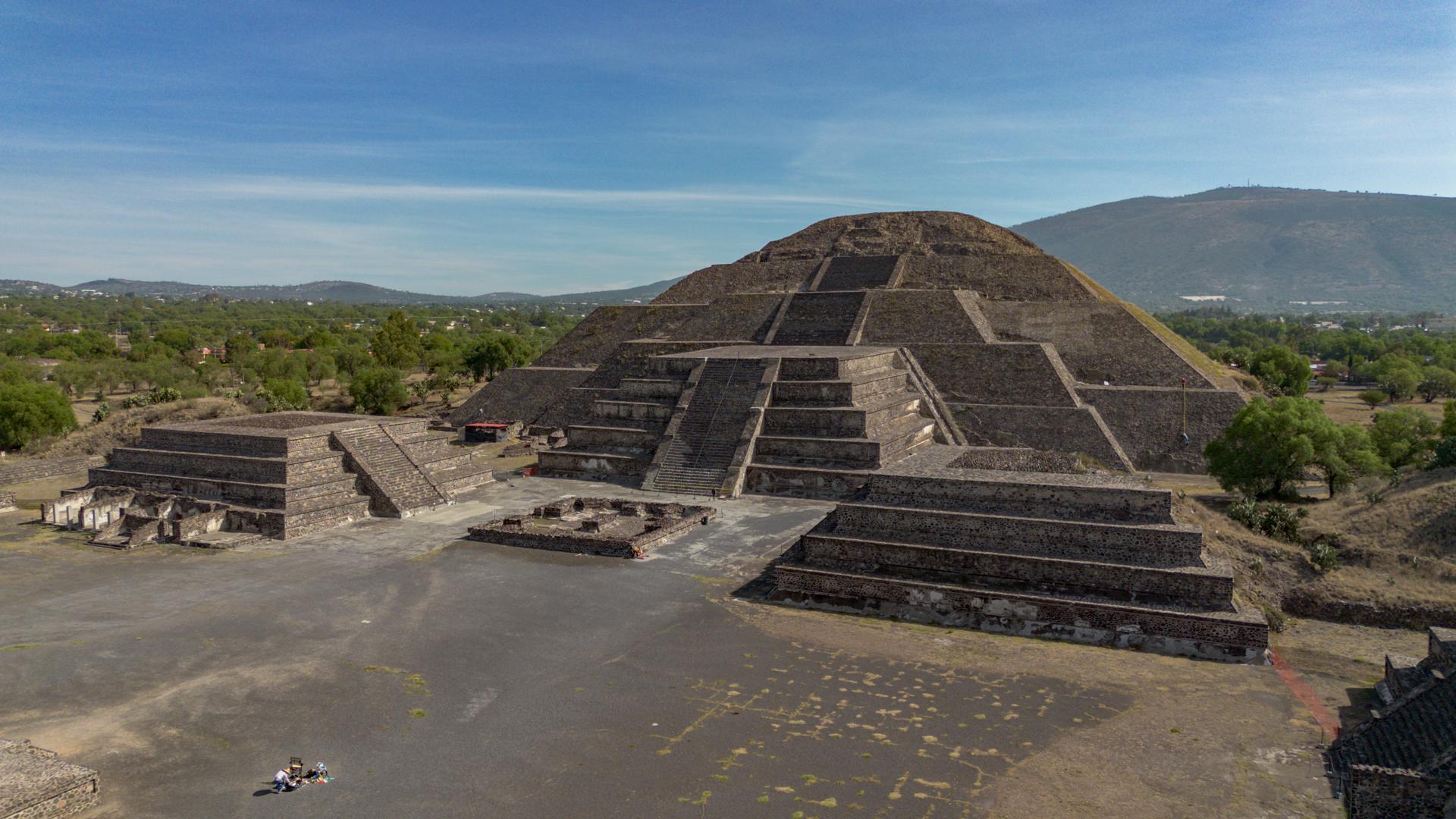
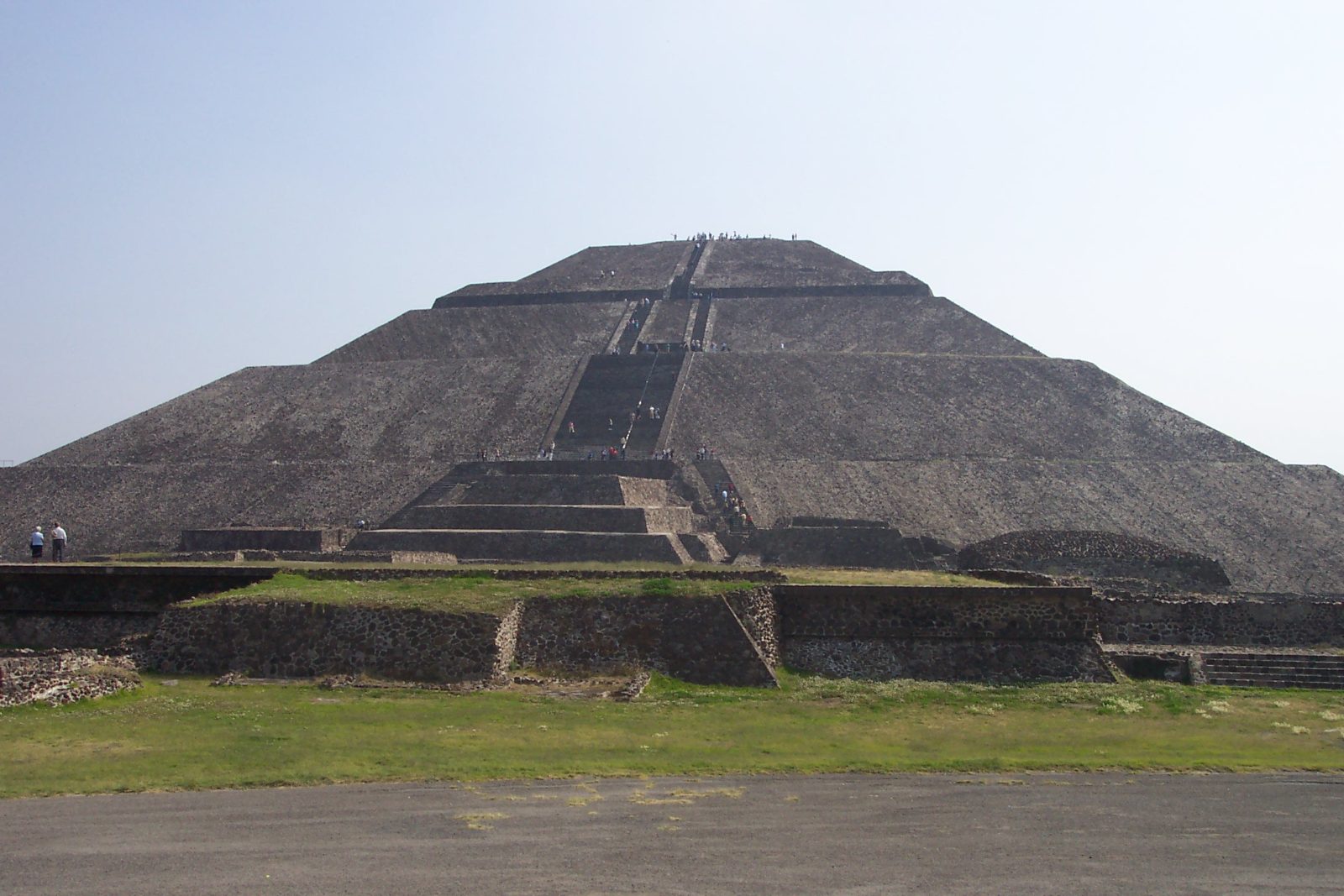
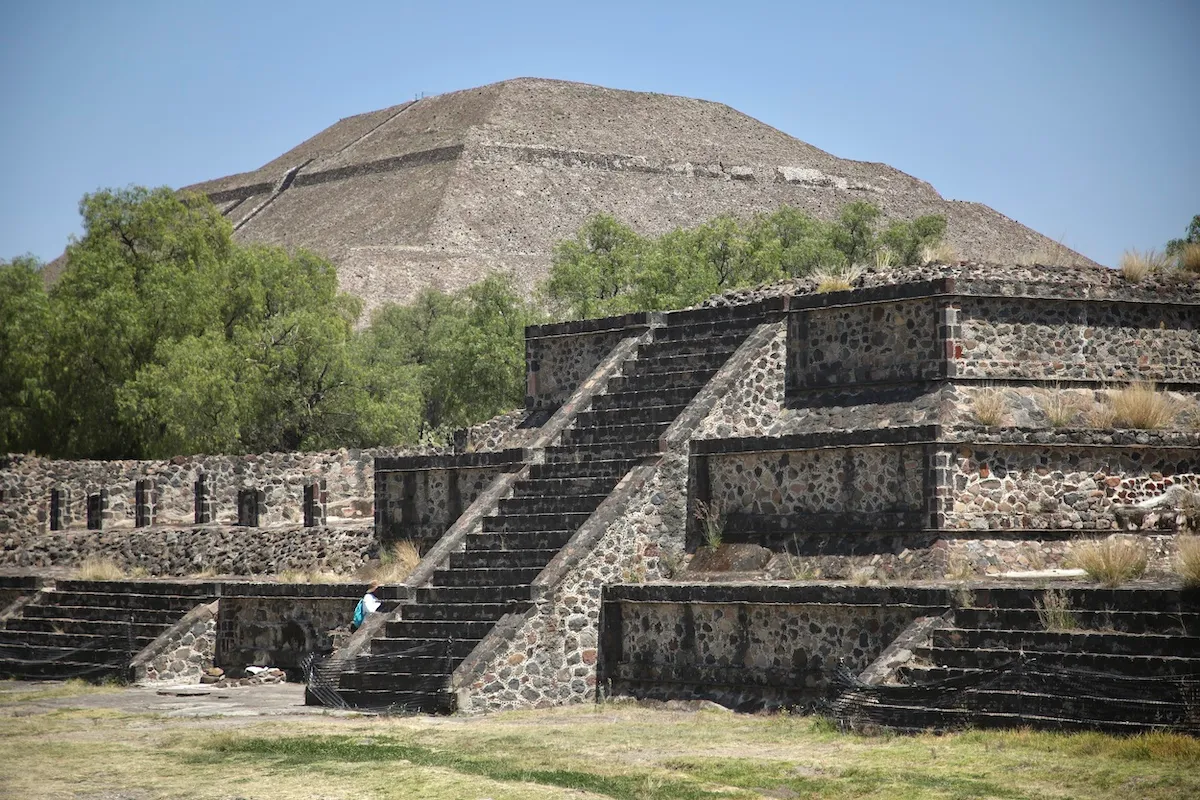
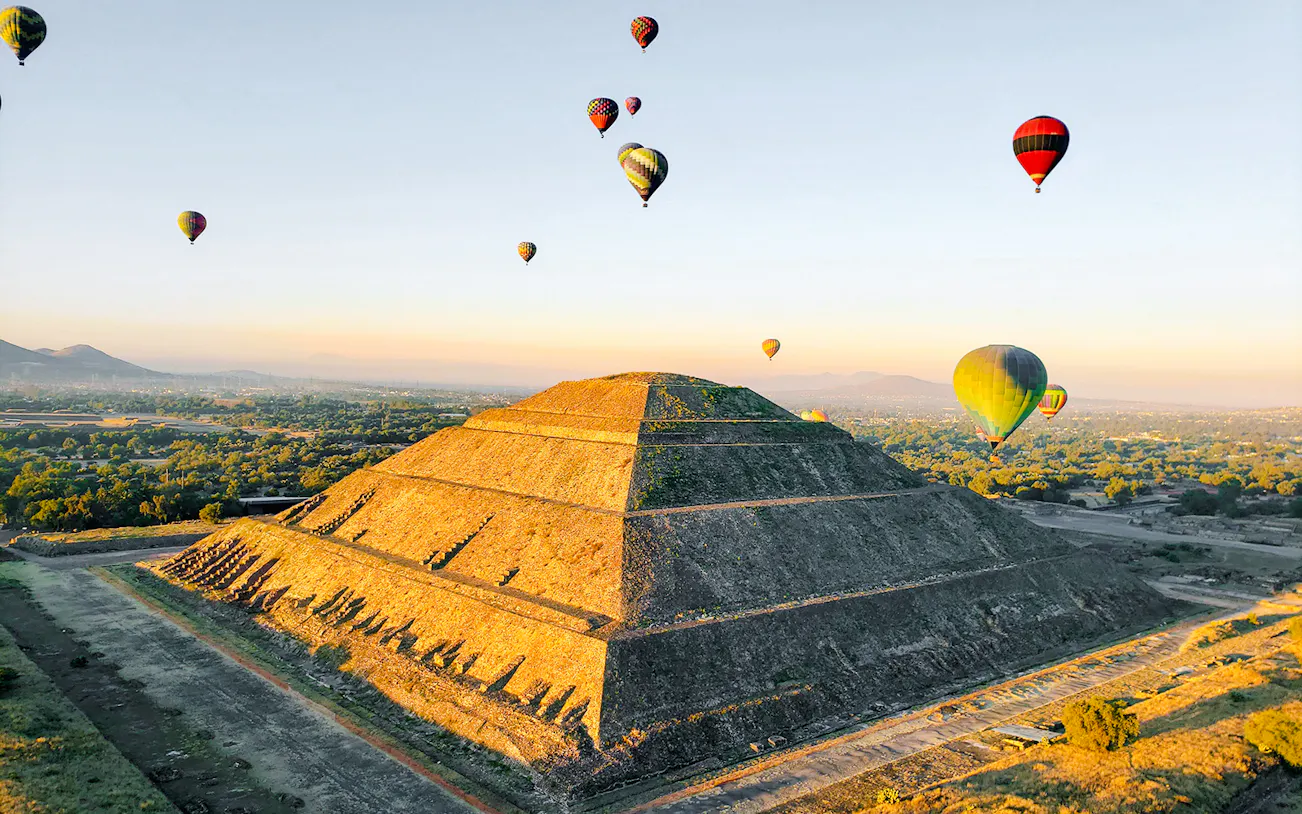
The third-largest pyramid in the world, this massive structure rises 65 meters above the valley floor. It served as a religious focal point and remains the site's most iconic landmark.
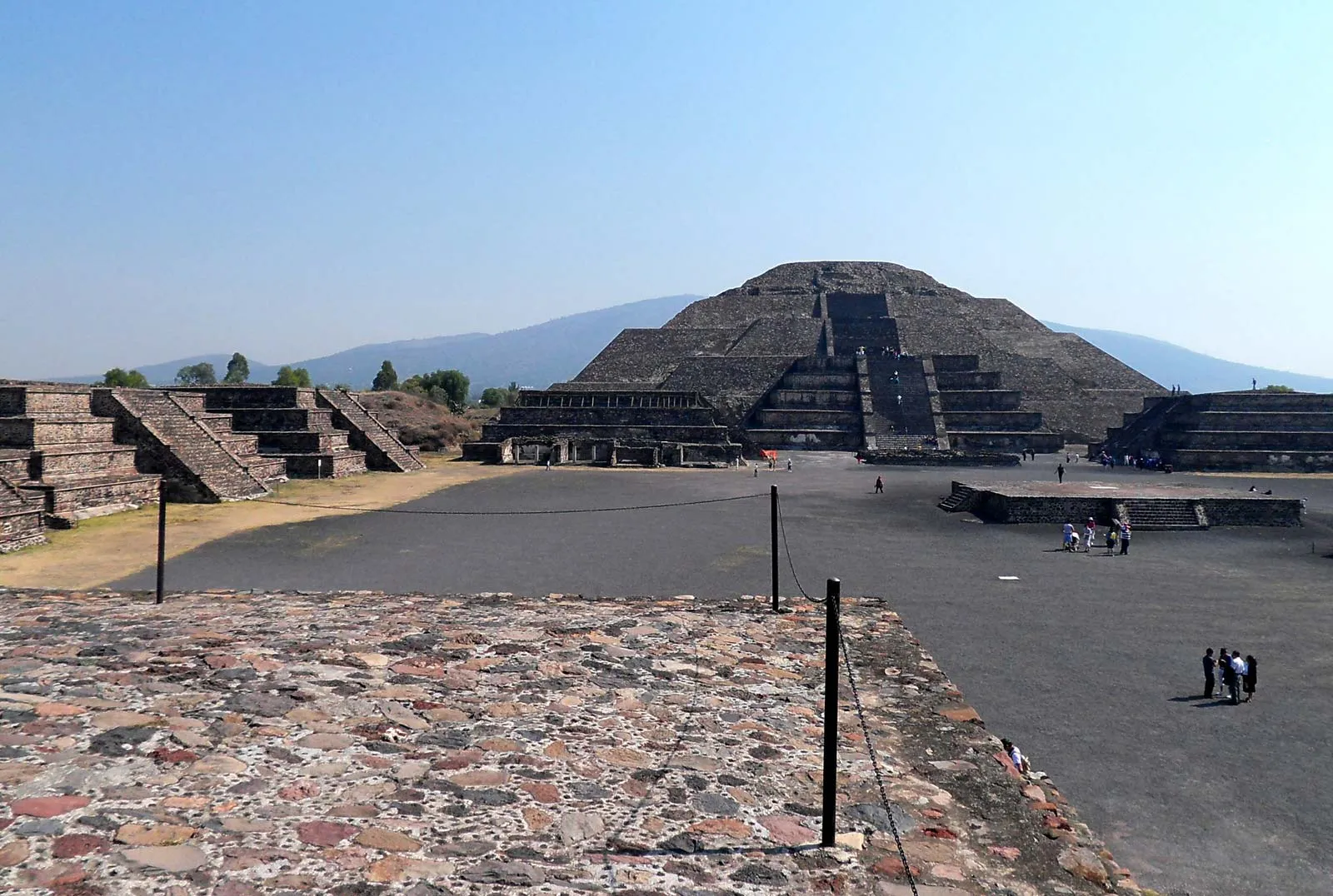
Pyramid of the Moon
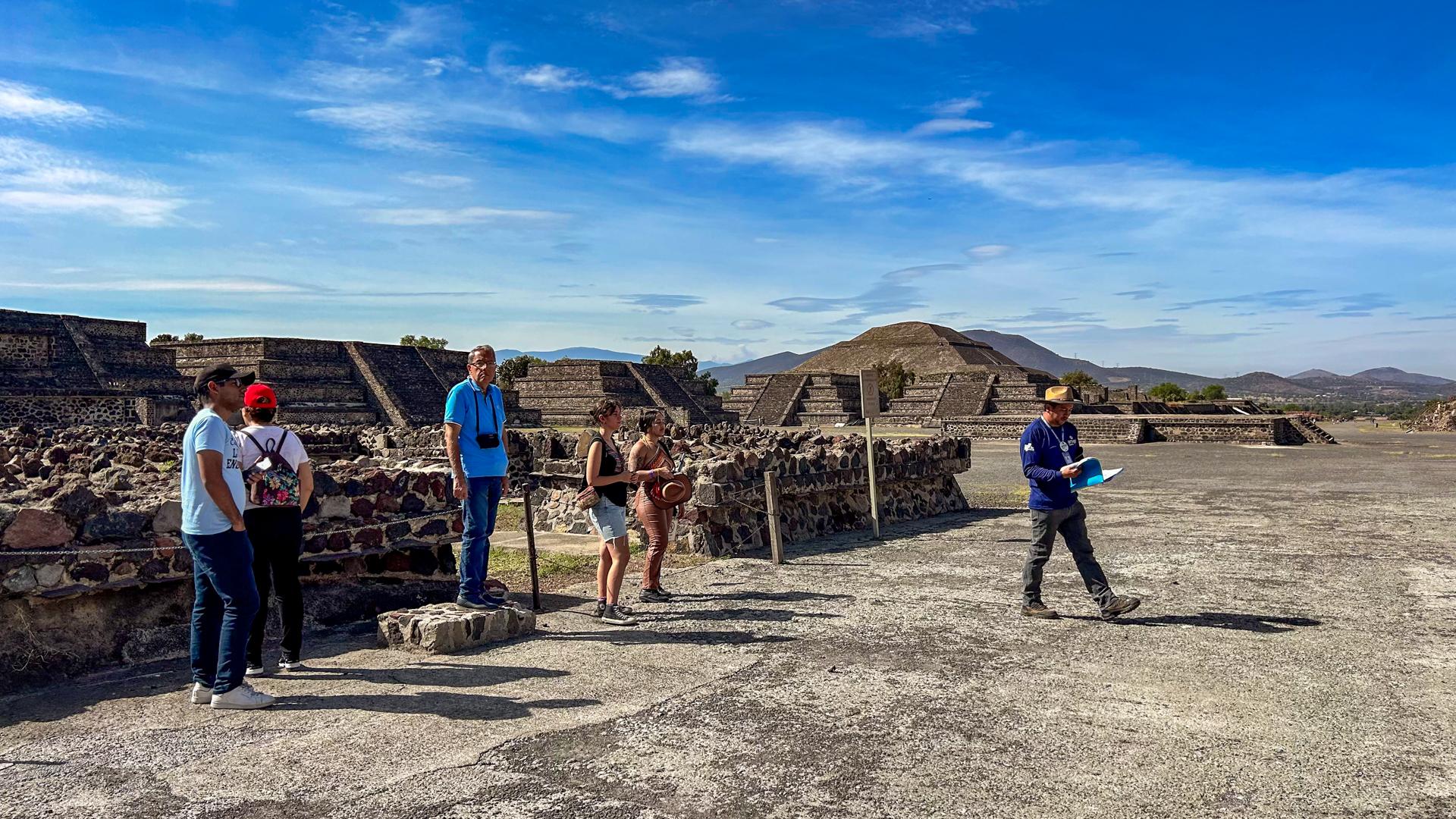
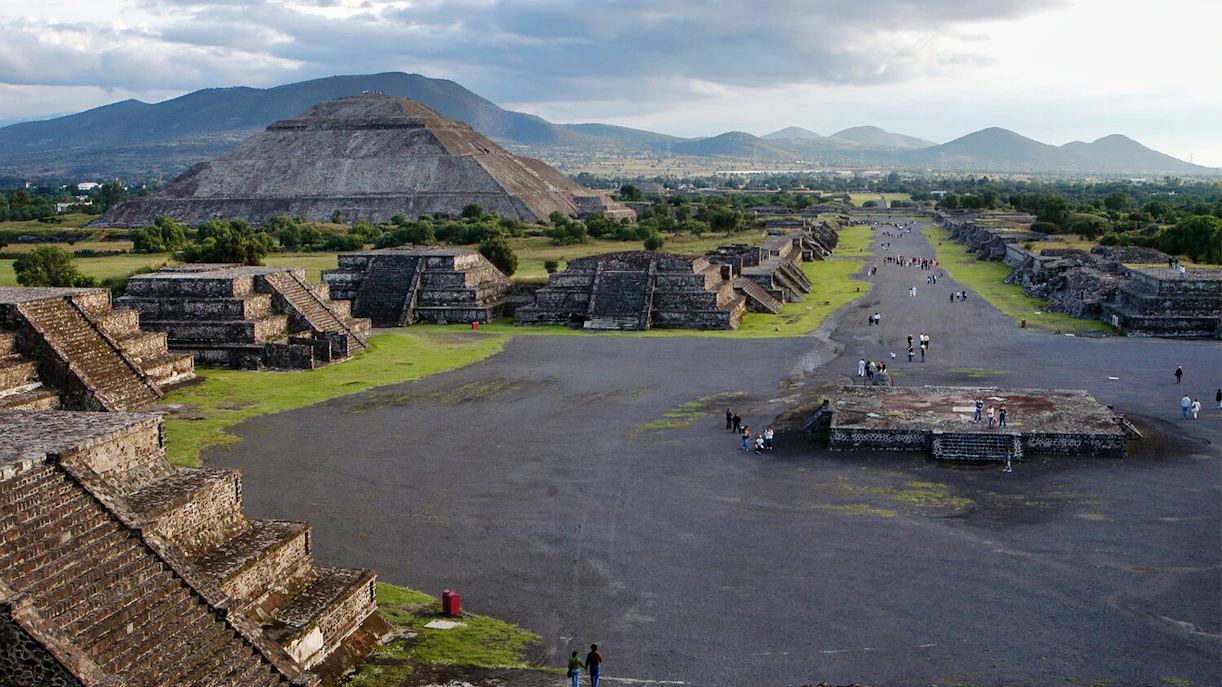
Avenue of the Dead
Temple of the Feathered Serpent
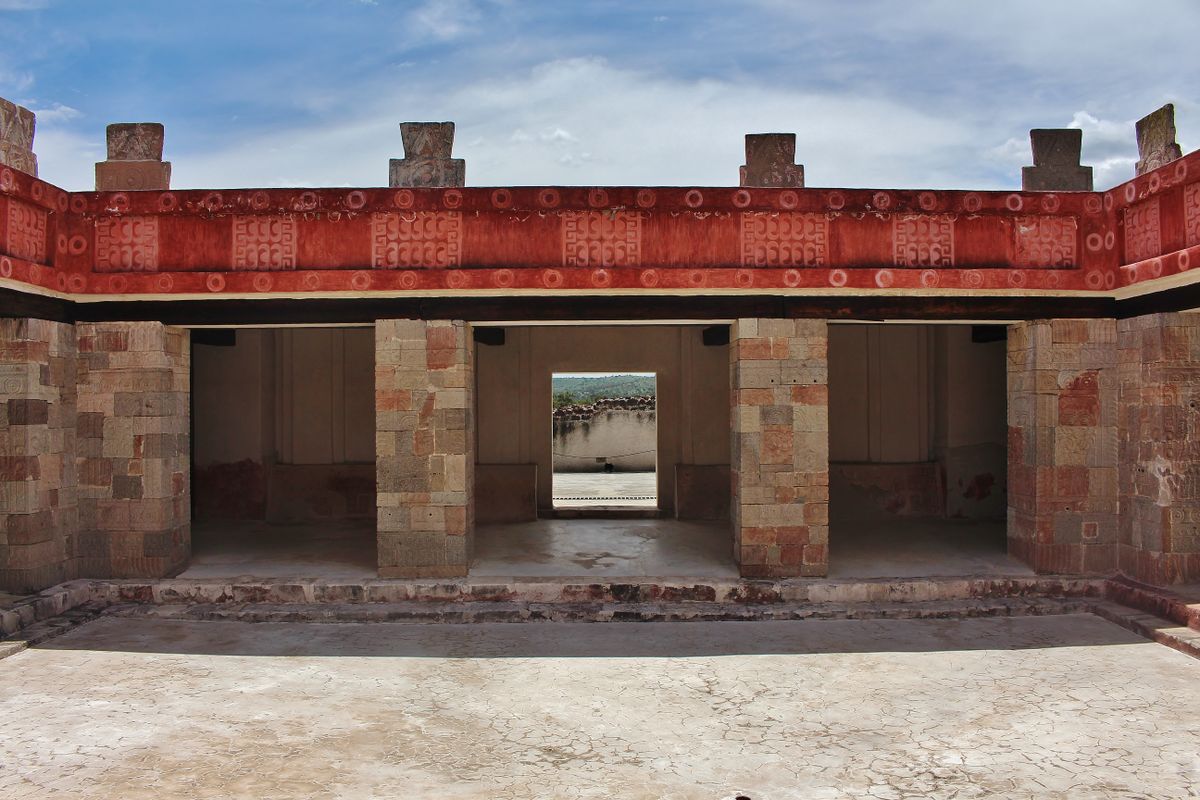
Palace of Quetzalpapálotl
All the details about your upcoming adventure in one place
A hot air balloon in Mexico City offers sunrise flights over the ancient pyramids of Teotihuacan, floating 300-900 meters above the Pyramid of the Sun and Pyramid of the Moon. Most hot air balloon in Mexico City tours include hotel transfers, a light breakfast before flight, and a champagne toast upon landing. The volcanic Valley of Mexico provides stable air currents ideal for ballooning, with flights operating year-round from launch sites adjacent to the archaeological zone.
Commercial balloon flights over Teotihuacan began in 1997, when aviation authorities opened a narrow dawn corridor above the archaeological zone.
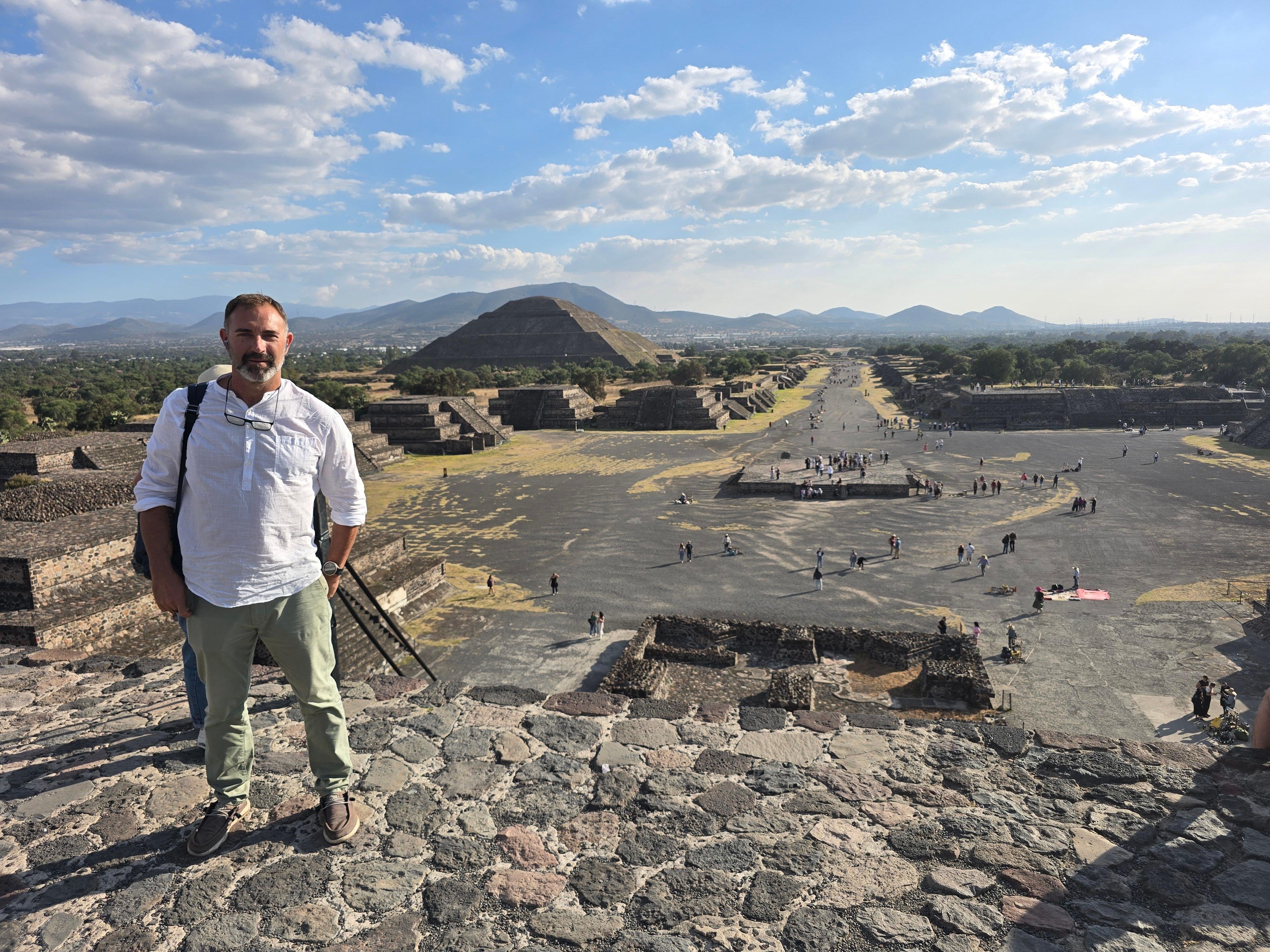
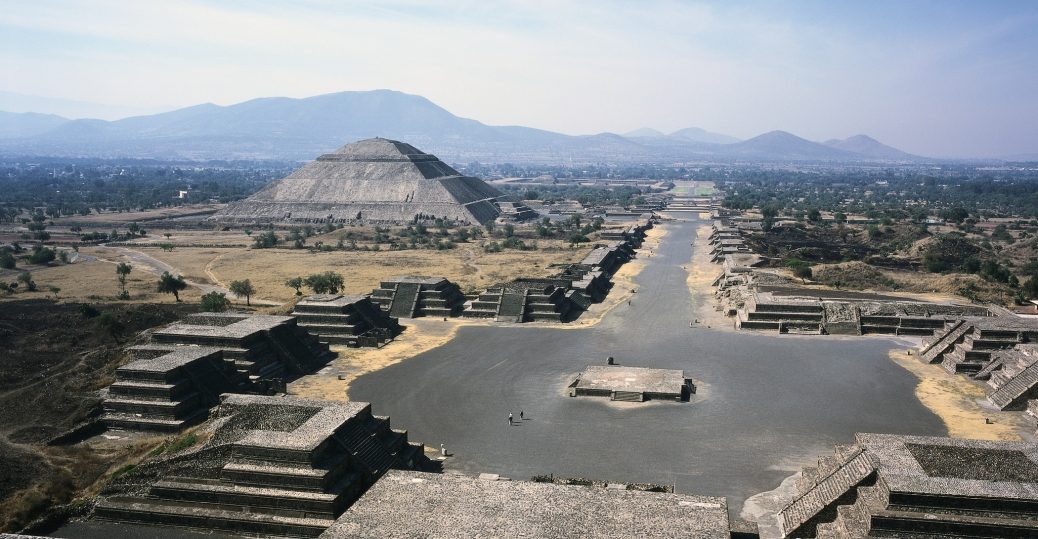
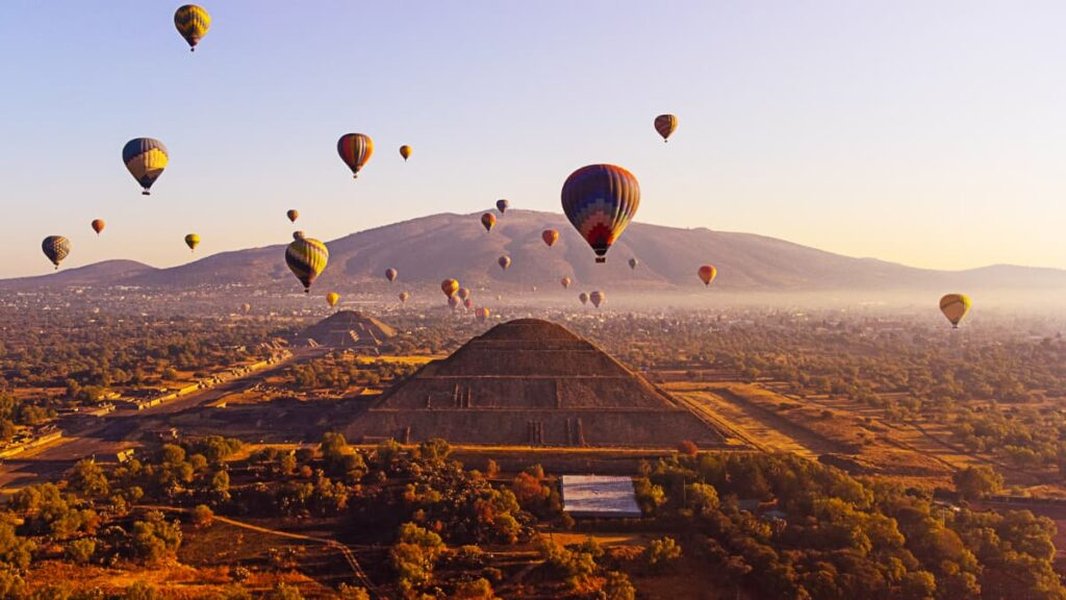
Pilots launch from fields adjacent to the site, timing ascent to the moment when thermals remain calm and horizontal visibility reaches fifteen kilometers across the Valley of Mexico. The flight path traces a northwest arc over the Pyramid of the Sun—65 meters tall, built in stages between 100 and 450 CE—then drifts south toward the Pyramid of the Moon and the Avenue of the Dead, a north-south axis spanning two kilometers.
Teotihuacan reached its apex between 300 and 550 CE as Mesoamerica's largest city, housing an estimated 125,000 residents within a planned grid of residential compounds, workshops, and ceremonial platforms. The Pyramid of the Sun alone required approximately 1.18 million cubic meters of earth and rubble, making it the third-largest pyramid by volume in the Americas. From altitude, the city's geometric precision becomes legible: orthogonal streets, symmetrical plazas, and aligned facades that modern surveyors have measured to within two degrees of true north. The murals inside the Quetzalpapalotl Palace Complex and the Temple of the Feathered Serpent remain invisible from above, but balloon passengers trace the city's skeleton—the arterial avenue, the concentric residential zones, the outlying obsidian quarries that fueled its economy.
Hot air balloon in Mexico City operations concentrate in Teotihuacan because federal aviation rules prohibit recreational overflights of most urban and protected areas within the capital's airspace. The archaeological zone's buffer allows balloons to drift at 300 to 900 meters, high enough to frame the entire urban core yet low enough to distinguish individual structures. Operators fly year-round, with peak season running October through March when dry conditions reduce the risk of aborted launches. Each basket carries four to twelve passengers depending on configuration, and flights last 45 to 60 minutes from liftoff to landing. Ground crews track wind direction via radio and position recovery vehicles along rural access roads northeast of the pyramids. The entire experience, from pre-dawn transport to post-flight breakfast, spans four to five hours.
The hot air balloon in Mexico city tour has become the dominant method for aerial photography of the site since 2010, when operators standardized safety protocols and the Instituto Nacional de Antropología e Historia formalized overflight agreements. Balloons depart daily except during high winds or low cloud ceilings, conditions most common in July and August. The conservation fee for ground entry remains separate—balloon tickets cover airspace access, pilot services, and liability insurance but not archaeological zone admission.

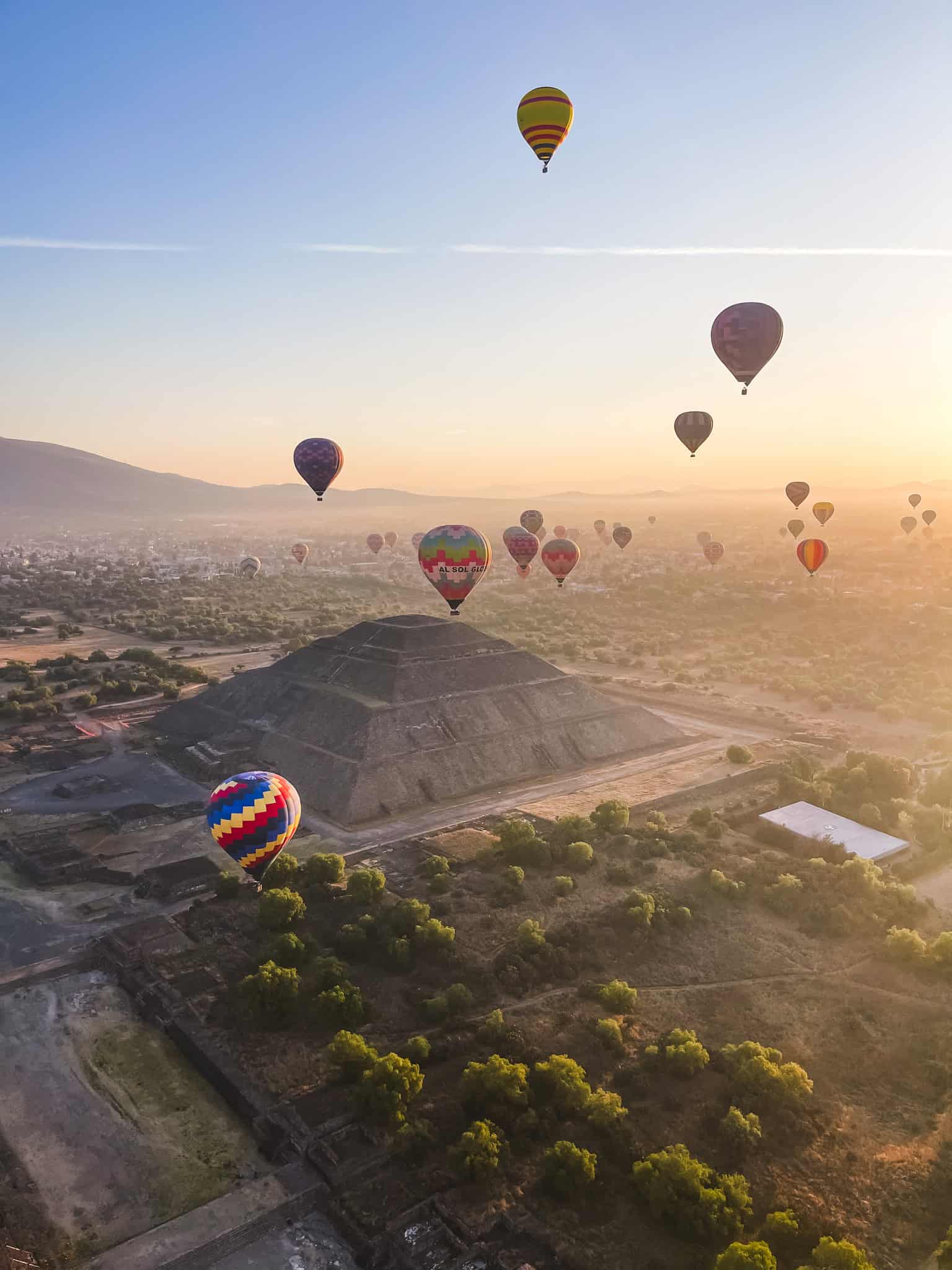
From altitude, the city's geometric precision becomes legible: orthogonal streets, symmetrical plazas, and aligned facades measured to within two degrees of true north.
Entry fees are non-refundable once purchased. Visitors should confirm tour booking policies if arranging a hot air balloon in mexico city tour through third-party operators.
Weather · crowds · average price — dots go green to amber to red as each metric rises.
March to May offers pleasant temperatures, though mid-spring can be busy with school holidays.
Arrive between 08:00–11:00 to escape the heat and tour bus crowds.
The pyramids that anchor hot air balloon in mexico city tours rose from volcanic soil between 100 BCE and 250 CE, built by a civilization whose name remains unknown. Teotihuacan reached its apex around 450 CE, housing over 100,000 residents across eight square miles. The Pyramid of the Sun, completed by 200 CE, required an estimated 3 million tons of stone and adobe brick. Workers hauled basalt from distant quarries without wheels or draft animals. The structure's base measures 738 feet per side, rivaling Egypt's pyramids in sheer volume. Archaeologists discovered a natural cave beneath the Pyramid of the Sun in 1971, likely considered a sacred entrance to the underworld. The Pyramid of the Moon, finished around 250 CE, served as the northern anchor of the Avenue of the Dead. Beneath its platform, excavators found evidence of human sacrifice—twenty bodies interred with jade, obsidian, and animal remains. The city collapsed around 550 CE, possibly due to internal revolt or resource depletion. Fires destroyed elite compounds along the Avenue of the Dead. The Aztecs arrived centuries later, naming the ruins Teotihuacan—"birthplace of the gods." Modern hot air balloon in mexico city operations launched in the 1990s, capitalizing on the site's UNESCO World Heritage designation in 1987. Balloon flights depart from adjacent private fields, not the archaeological zone itself. The Mexican government restricts flight paths to preserve the pyramids from vibration damage. Each dawn, balloons drift above the Pyramid of the Sun and Moon, offering aerial perspectives impossible from ground level. The tradition connects contemporary visitors to a landscape shaped by ancient engineering, though the builders left no written records of their construction methods or cosmology.
Construction begins on Teotihuacan's urban core and ceremonial platforms
Pyramid of the Sun completed, becoming Mesoamerica's third-largest pyramid
Pyramid of the Moon finished with ritual burials beneath its base
Teotihuacan reaches peak population of 100,000, dominating regional trade networks
City collapses after fires destroy elite residential compounds
UNESCO designates Teotihuacan a World Heritage Site
Commercial balloon operators begin dawn flights over the archaeological zone
Mexican authorities implement flight path restrictions to protect pyramid structures
Stand at the southern edge of the upper plaza to capture the Avenue of the Dead stretching toward the Pyramid of the Sun with silhouettes of vessels above. This vantage point provides a wide-angle view of the site architecture.
Position your camera along the central axis of this main thoroughfare to frame the structural scale of the archaeological complex. This serves as a prime location for capturing a hot air balloon in mexico city as it drifts over the ancient stone masonry.
Angle your lens upward from the ground level near the primary staircase to emphasize the height of the monument. Many travelers opt for hot air balloon in mexico city tours to gain an aerial perspective of this specific structure from the sky.
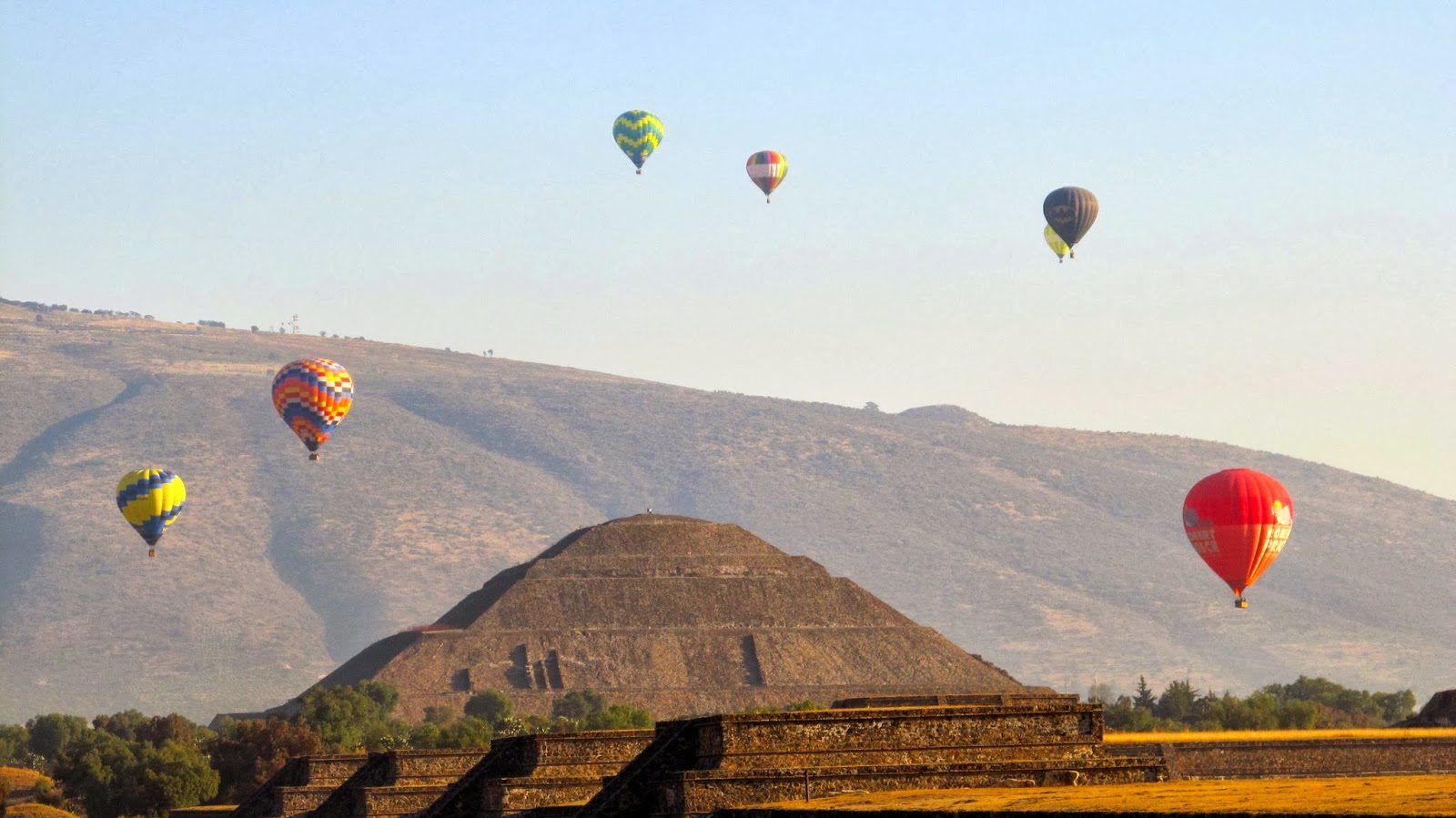
Look for a clearing on the outskirts of the archaeological zone to photograph the contrast between the earth-toned pyramids and the colorful fabric of distant flight craft. These hot air balloon in mexico city tickets allow access to grounds where you can frame the entire landscape.
This smaller courtyard offers a quieter setting to photograph the geometric patterns of the ruins with floating objects in the background. It is a secondary spot often overlooked during a hot air balloon in mexico city tour.
Everything you need to know for your journey
Climbing is strictly prohibited to protect the structures. You can enjoy panoramic views of the pyramids from the air or from designated ground-level paths.
Due to unpaved, dusty paths, the site is difficult for strollers or wheelchairs. Some areas are accessible, but mobility can be limited.
Photography is highly encouraged. Ensure your camera gear is secure during your hot air balloon in mexico city flight.
Yes, the site is suitable for families, though keep children close due to uneven terrain.
No, pets are not allowed inside the archaeological zone.
Features extensive collections of Teotihuacan artifacts.
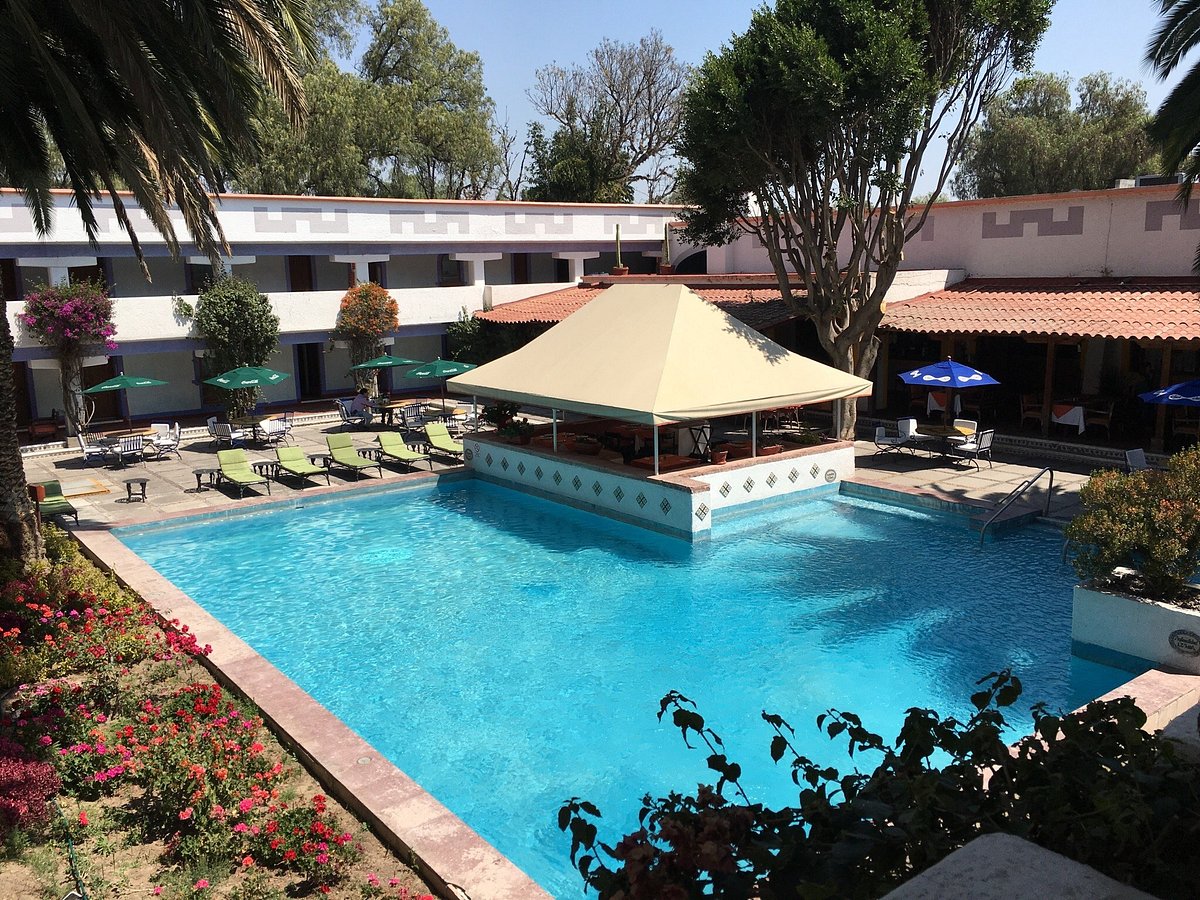
Historical style stay located near the site.
Join thousands of happy travelers who have discovered this incredible experience
Book Your Experience Now